



Home Feature Text
The Irish Human Rights and Equality Commission is Ireland’s national human rights and equality institution. We are an independent public body that accounts directly to the Oireachtas.
Our purpose is to promote and protect human rights and equality in Ireland and build a culture of respect for human rights, equality and intercultural understanding in the State.
Highlighted Areas
#EndAgeism For equality in ageing National Campaign
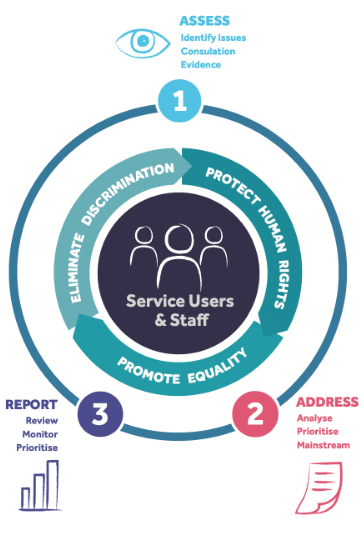
How to implement the Public Sector Equality and Human Rights Duty
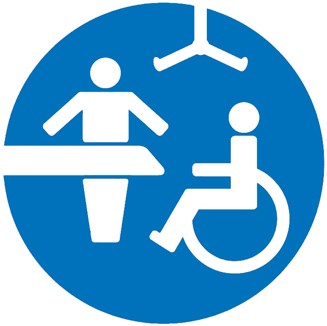
Changing Places facility
Press Releases
Recent Posts
- Successful legal challenge leads to significant expansions in Junior and Leaving Certificate examination schemes 25 March 2024
- Ireland’s lack of progress on Traveller accommodation continues to violate their social rights, Council of Europe Committee finds 20 March 2024
- IHREC calls for changes to Mother and Baby Institutions Payment Scheme 20 March 2024
- Commission assists employee with claim of victimisation following sexual harassment complaint 12 March 2024
- Civil Society Organisations across Ireland Invited to apply to the Human Rights and Equality Grant Scheme 2024-2025 6 March 2024
Media Library
Recent Publications

Correspondence to Minister Calleary from IHREC and ENNHRI on the proposed EU Corporate Sustainability Due Diligence Directive (CSDDD)

Contribution to the European Commission’s 5th Progress Report on the Fight against Trafficking in Human Beings in the European Union

Comhairliúchán faoi Ráiteas Straitéise 2025–2027 de chuid Choimisiún na hÉireann um Chearta an Duine agus Comhionannas
Consultation on the Irish Human Rights and Equality Commission Strategy Statement 2025-2027
IHREC Contribution to the Report of the UN Special Rapporteur on Violence against Women and Girls to the Human Rights Council on ‘Prostitution and violence against women and girls’